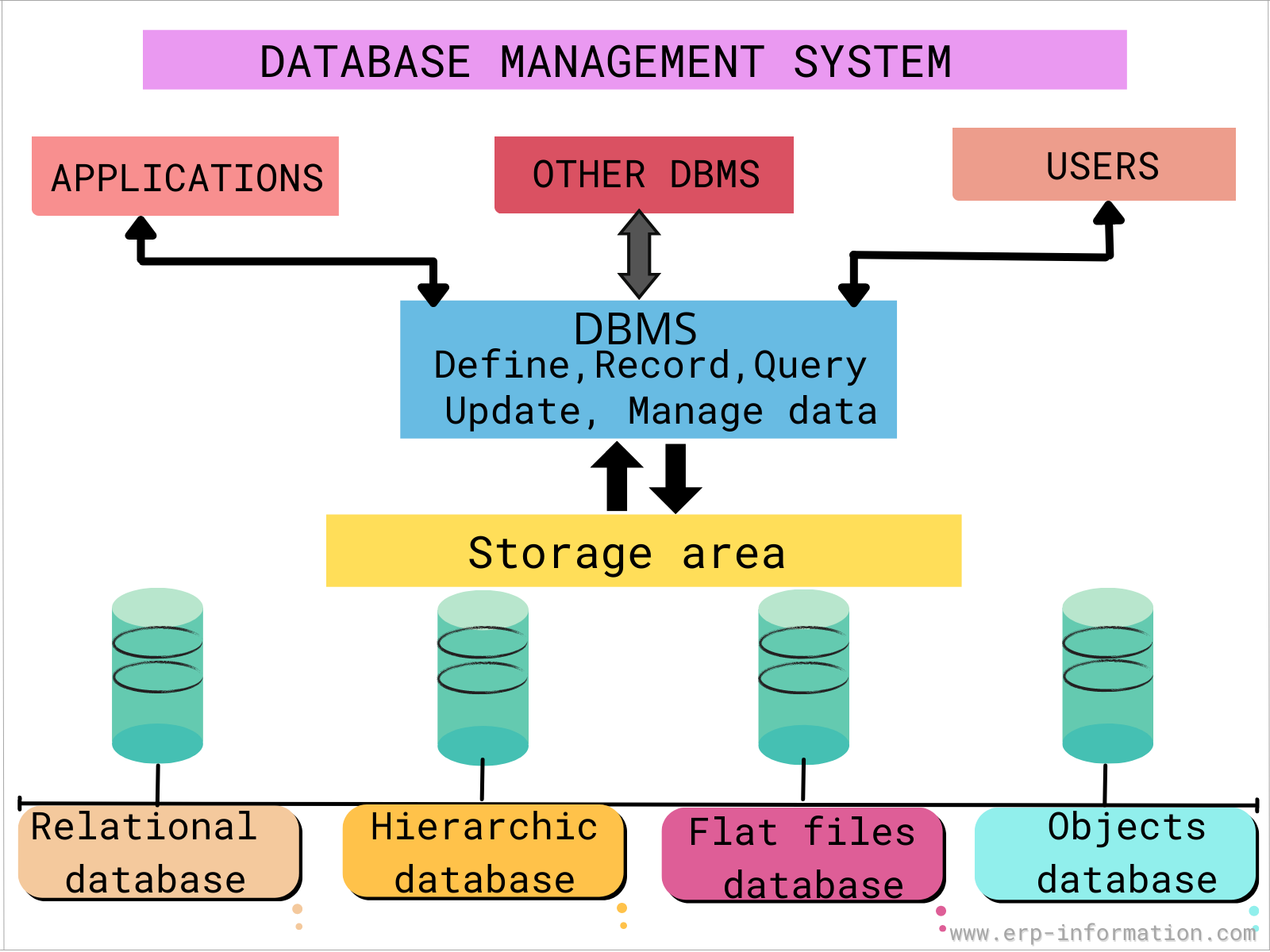
Database Management Systems (DBMS)
When learning about Database Management Systems (DBMS), you will quickly realize that not all databases are built for the same jobs. Three of the most common relational database systems you will encounter are MySQL, Microsoft SQL Server, and Microsoft Access.
While all three use SQL (Structured Query Language) to manage data, they scale differently and serve completely different audiences. Here is an abstract breakdown for beginners.
1. Microsoft Access: The Desktop Database
Microsoft Access is an entry-level DBMS designed for individuals, small businesses, or local teams. It combines a database engine with a graphical user interface (GUI) and software-development tools.
The Vibe: A super-powered Excel spreadsheet with relationships.
How it works: It runs locally on a single computer. It allows users to build tables, forms, and reports visually without needing to write heavy code.
Best Used For: Tracking local inventory, managing small office directories, or quick prototyping.
Limitation: It struggles heavily with performance and file corruption if more than a few dozen people try to use it at the exact same time, and it has a strict 2-gigabyte file size limit.
2. MySQL: The Open-Source Web Champion
MySQL is a powerful, open-source relational database engine. It is the backbone of the modern web, famously powering massive platforms like WordPress, Facebook, and YouTube.
The Vibe: The reliable, free workhorse of internet applications.
How it works: It operates on a client-server model. The database runs on a server (often Linux), and web applications send requests to it over the network. It is designed to read data incredibly fast.
Best Used For: Web development, e-commerce sites, and content management systems.
Advantage: It is completely free, highly customizable, and runs seamlessly across Windows, macOS, and Linux.
3. Microsoft SQL Server: The Enterprise Heavyweight
MS SQL Server is Microsoft's flagship enterprise-grade DBMS. It is built for large corporations that need to handle massive amounts of data with extreme security and advanced analytics.
The Vibe: The high-security armored vault for corporate data.
How it works: Like MySQL, it is a client-server database. However, it comes tightly integrated with Microsoft’s corporate ecosystem (like Windows Server and Azure Cloud) and includes built-in tools for business intelligence and data analysis.
Best Used For: Large corporate software, banking applications, and massive data warehouses.
Limitation: While there is a free "Express" version for small apps, the full enterprise licenses are incredibly expensive, costing thousands of dollars.
Summary of Core Differences
Scale and Performance
MS Access is for micro-scale, local desktop tasks.
MySQL is optimized for web-scale, handling thousands of concurrent website visitors.
SQL Server is optimized for enterprise-scale, managing massive, complex corporate workloads with heavy computational demands.
Ecosystem and Cost
MS Access comes bundled with certain Microsoft 365 office suites.
MySQL is open-source and free, making it the favorite for startups and independent developers.
SQL Server is a premium commercial product owned by Microsoft, favored by established companies with dedicated IT budgets.
Hosting Environment
MS Access lives as a simple file on your local hard drive or shared network folder.
MySQL and SQL Server are robust server systems that run in the cloud or on dedicated hardware, capable of staying online 24/7 to serve millions of requests.